In the high-speed world of 2026, where digital fatigue is a recognized modern ailment, the “floating river trip” has emerged as the ultimate antidote. Unlike the high-intensity adrenaline of whitewater rafting or the structured schedule of a cruise, a river float is a deliberate exercise in slow travel. It is a journey where the current makes the decisions, and your only job is to exist in the moment.
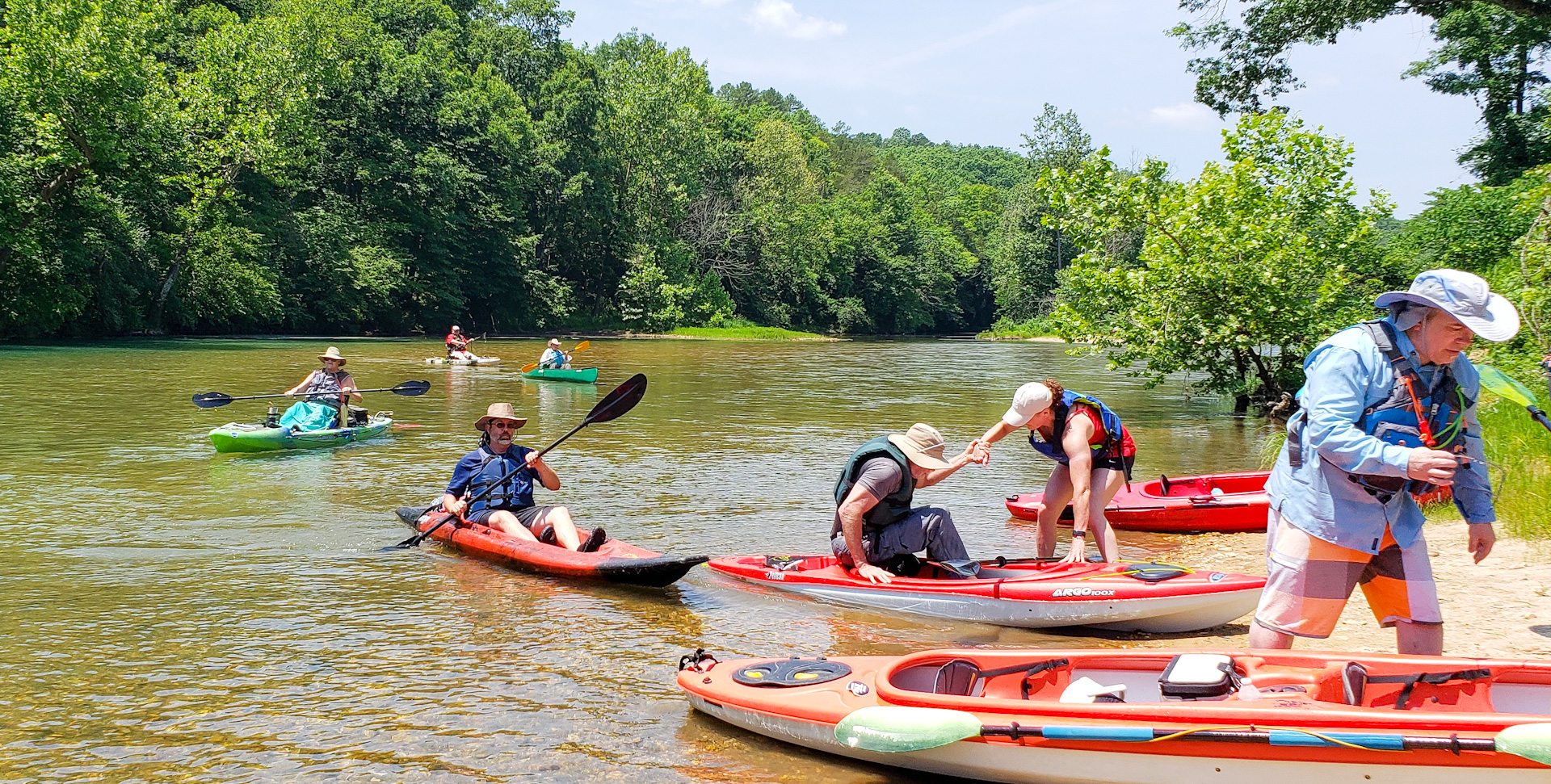
Whether you are seeking a peaceful afternoon on a local waterway or a multi-day expedition through a remote canyon, mastering the river float requires a blend of preparation, environmental respect, and a willingness to let go of the clock.
The Philosophy of the Float
A river float is fundamentally different from other forms of water travel. It is “passive exploration.” By allowing the natural flow of the water to dictate your pace, you synchronize with the rhythm of the ecosystem. This type of travel encourages a unique form of observation; you notice the way a heron takes flight, the subtle change in the water’s color over a deep pool, and the acoustic shift as you move between high canyon walls. In 2026, this “slow-motion” adventure is being hailed by wellness experts as a premier way to reset the nervous system.
1. Choosing Your Vessel: Tubes, Rafts, and Dories
The nature of your adventure is largely defined by what sits between you and the water.
- River Tubes: For a social, relaxed afternoon on a Class I or II river, the heavy-duty river tube remains king. Modern 2026 models feature puncture-resistant 18-gauge vinyl, integrated backrests, and mesh bottoms to keep you cool without letting you slip through.
- Inflatable Rafts: Best for groups or families, rafts provide more stability and storage. They allow you to bring along a “floating cooler” and are better suited for rivers with light rapids or varied depths.
- Dories and Hard-Hulled Boats: For those seeking a professional “leap” in their river experience, dory expeditions (popular in places like Idaho’s Hells Canyon) offer a classic, elegant way to navigate deeper, faster waters while maintaining a close connection to the river’s surface.
2. Essential Gear for the Modern Drifter
Preparation is the silent partner of a successful trip. To keep your adventure unique and stress-free, prioritize these essentials:
- The “Two-Bag” System: Use a large dry bag for your main gear and a smaller, transparent waterproof pouch for “high-access” items like your phone or a physical map.
- Hydro-Protection: Opt for reef-safe sunscreen and polarized sunglasses with a floating strap. In 2026, “hydro-shoes” with high-grip soles have replaced flip-flops as the standard, providing protection against slippery or sharp riverbeds.
- Connectivity and Safety: While the goal is to unplug, safety is paramount. A waterproof personal locator beacon or a phone in a specialized floating case is necessary. Always carry a safety whistle clipped to your Coast Guard-approved life jacket.
3. Safety: Respecting the Current
Even the calmest river is a dynamic environment. Safety on a floating trip is not about fear, but about awareness.
- Know the “Put-in” and “Take-out”: The most common mistake is misjudging the time it takes to float. A two-mile stretch can take one hour or four depending on the flow rate. Always consult local outfitters or “RiverFlows” apps before launching.
- Dress for the Water, Not the Weather: Even on a 30°C day, river water can be surprisingly cold. Wear quick-dry synthetic materials and avoid cotton, which stays wet and saps your body heat.
- The Non-Negotiable Life Jacket: Regardless of your swimming ability, a life jacket is your most important piece of gear. River currents can be deceptive, and a simple tip-over can become dangerous without buoyancy.
4. Ethical Floating: The “Leave No Trace” Mandate
As more people flock to rivers for “coolcations” to escape the summer heat, the environmental impact on these fragile corridors has increased.
- Contain Your Trash: Secure all “micro-trash” (like snack wrappers) inside a dedicated, zippered mesh bag tied to your float.
- Mind the Banks: Only enter and exit the water at designated spots. Trampling riverbank vegetation leads to erosion and destroys the habitats of local amphibians and birds.
- Silent Observation: Maintain a respectful distance from wildlife. In 2026, ethical adventurers use quiet voices to minimize their “acoustic footprint,” ensuring that the river remains a sanctuary for both animals and humans.
5. Top Destinations for 2026
If you are looking for the perfect place to launch, these three regions are currently leading the trend:
- The Snake River, Idaho: Known for its dramatic sheer-walled gorges and crystal-clear water, it offers some of the most scenic dory and raft trips in North America.
- The Dordogne, France: For those who want their river float with a side of history, drifting past medieval castles and limestone cliffs in Southwest France is an unmatched experience.
- The Salmon River, Alaska: A destination for the true “expedition” floater, offering remote, multi-day journeys through untouched wilderness.
Conclusion
A floating river trip is more than just a day on the water; it is a return to a simpler, more organic way of traveling. By stripping away the engines and the schedules, you allow yourself to be carried by the earth’s own momentum. Whether you are laughing with friends on a chain of linked tubes or staring in silence at the stars from a riverside camp, the river offers a perspective that no other landscape can provide. As you plan your next adventure, remember that the goal isn’t just to reach the end of the river—it’s to be changed by the journey in between.
