The image of the solitary woman traveler, suitcase in hand and eyes fixed on a distant horizon, has shifted from a rare curiosity to a powerful global movement. In 2026, solo female travel is no longer just about seeing new places; it is a profound lifestyle choice that prioritizes self-reliance, personal growth, and the radical reclamation of one’s own time. For many, it is the ultimate act of independence—a way to prove that the world is accessible, navigable, and welcoming.
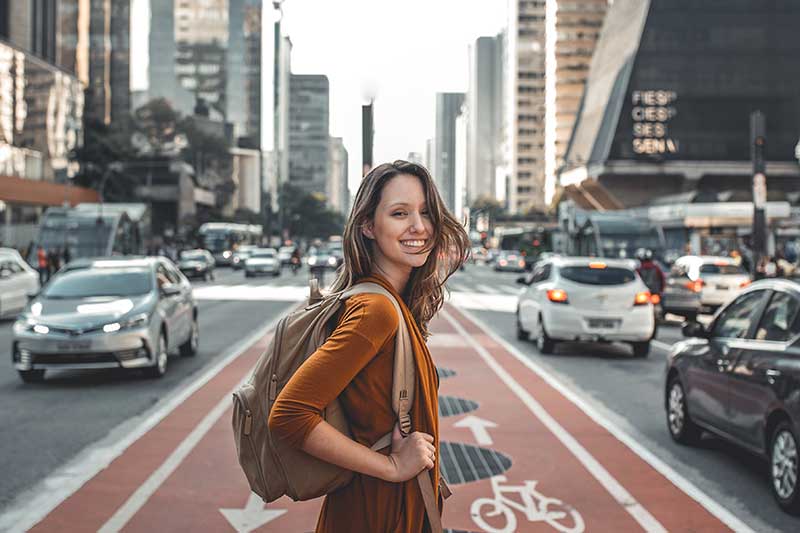
Transitioning into a solo travel lifestyle requires a blend of practical preparation, mental shifts, and a commitment to safety without succumbing to fear. This guide explores the essential components of thriving as a solo female explorer in the modern age.
The Philosophy of Solo Exploration
Why do women choose to travel alone when they could go with friends or partners? The answer lies in the total autonomy of the experience. When you travel solo, every decision—from what time you wake up to which narrow alleyway you choose to explore—is yours alone. This removes the “filter” of someone else’s preferences, allowing for a more direct and raw connection with a new culture.
Furthermore, traveling solo often makes you more approachable. It is a paradox of the road: by being alone, you are more likely to be invited into a local home for tea or to start a conversation with a fellow traveler at a cafe. It forces a level of social engagement that traveling in a group often stifles.
1. Preparing the Mindset: Confidence Over Fear
The biggest barrier to solo female travel is often not the destination itself, but the apprehension instilled by societal narratives. To move from “anxious” to “adventurous,” one must cultivate a mindset of situational awareness.
- Trust Your Intuition: This is the most powerful tool in your arsenal. If a street feels too quiet, if a person’s questions feel too intrusive, or if an accommodation doesn’t match the photos, leave. In 2026, the solo travel community emphasizes that “rudeness” is a small price to pay for safety.
- The “Power Pose” of Travel: Walk with purpose. Even if you are completely lost, appearing as though you have a destination and a deadline can deter unwanted attention. Study your map in a cafe, not on a busy street corner.
2. Choosing Destinations: The “Soft Landing” Strategy
For those new to the solo lifestyle, starting with a “soft landing” destination is a professional recommendation. These are locations with high safety ratings, robust public transport, and a visible solo travel culture.
- Scandinavia and Iceland: Consistently ranked as the safest regions for women, these countries offer breathtaking nature and an infrastructure that makes solo navigation a breeze.
- Southeast Asian Hubs: Cities like Chiang Mai or Ubud have established “nomad” communities. They provide a perfect balance of exotic culture and a safety net of fellow female travelers.
- Portugal and Spain: With vibrant social scenes and a culture that respects solo diners, the Iberian Peninsula is an ideal European starting point.
3. The Digital Safety Net: Tech Tools for 2026
Technology has fundamentally changed the safety profile of solo travel. In 2026, several tools are considered essential for the independent woman’s lifestyle:
- Location Sharing: Use “check-in” apps or shared GPS locations with a trusted friend back home. It provides a silent layer of security that doesn’t interfere with your freedom.
- Cloud-Based Document Vaults: Store digital copies of your passport, visas, and insurance in an encrypted cloud folder. If your physical bags are lost, your identity and ability to travel remain intact.
- Solo-Only Social Apps: Platforms like “Sisterhood Travel” or verified female-only Facebook groups allow you to connect with other women in the same city for a coffee or a shared museum visit, vetting companions before meeting in person.
4. Crafting a Solo Lifestyle: Wellness and Balance
Solo travel is not just a vacation; for many, it is a lifestyle that incorporates work and wellness. To sustain this long-term, you must avoid “travel burnout.”
- The Power of the “Rest Day”: You do not have to see a monument every day. Integrating “normal” life—like visiting a local gym, spending an afternoon in a library, or simply catching up on sleep—is vital for mental health.
- Sustainable Packing: A solo traveler’s best friend is a carry-on bag. Being able to manage your own luggage without assistance makes you more mobile and less vulnerable in transit hubs.
- Financial Independence: Use multi-currency digital banks that allow you to freeze cards instantly from an app. Having your funds spread across two or three different accounts ensures that a single lost wallet is not a catastrophe.
5. Navigating Social Dynamics and Solo Dining
One of the most common fears for solo women is the “lonely dinner.” In 2026, the hospitality industry has adapted to the solo movement. Many high-end restaurants now feature “chef’s counters” or bar seating specifically designed for solo diners.
To make the most of your evenings, consider joining a guided “food walk” or a group cooking class. These activities provide social interaction in a structured environment, allowing you to enjoy the local nightlife while staying within a safe, group-oriented context.
Conclusion
Solo female travel is a transformative journey that extends far beyond the physical distance covered. It is a process of stripping away the expectations of others to discover the core of one’s own resilience. By choosing the right destinations, utilizing modern safety technology, and trusting your inner compass, you can navigate the globe with grace and confidence.
The world in 2026 is more connected and accessible than ever before. For the woman who chooses to walk her path alone, the rewards are immense: a heightened sense of self, a gallery of irreplaceable memories, and the enduring knowledge that she is the hero of her own story. The road is open, and the only person you truly need to wait for is yourself.
