The days of juggling a dozen browser tabs, printing out paper confirmation slips, and manually calculating exchange rates on a napkin are officially behind us. In 2025, vacation planning has transformed from a stressful chore into a streamlined, high-tech experience. With the rapid evolution of Artificial Intelligence and integrated mobile ecosystems, the “planning phase” of a trip can now be just as enjoyable as the journey itself.
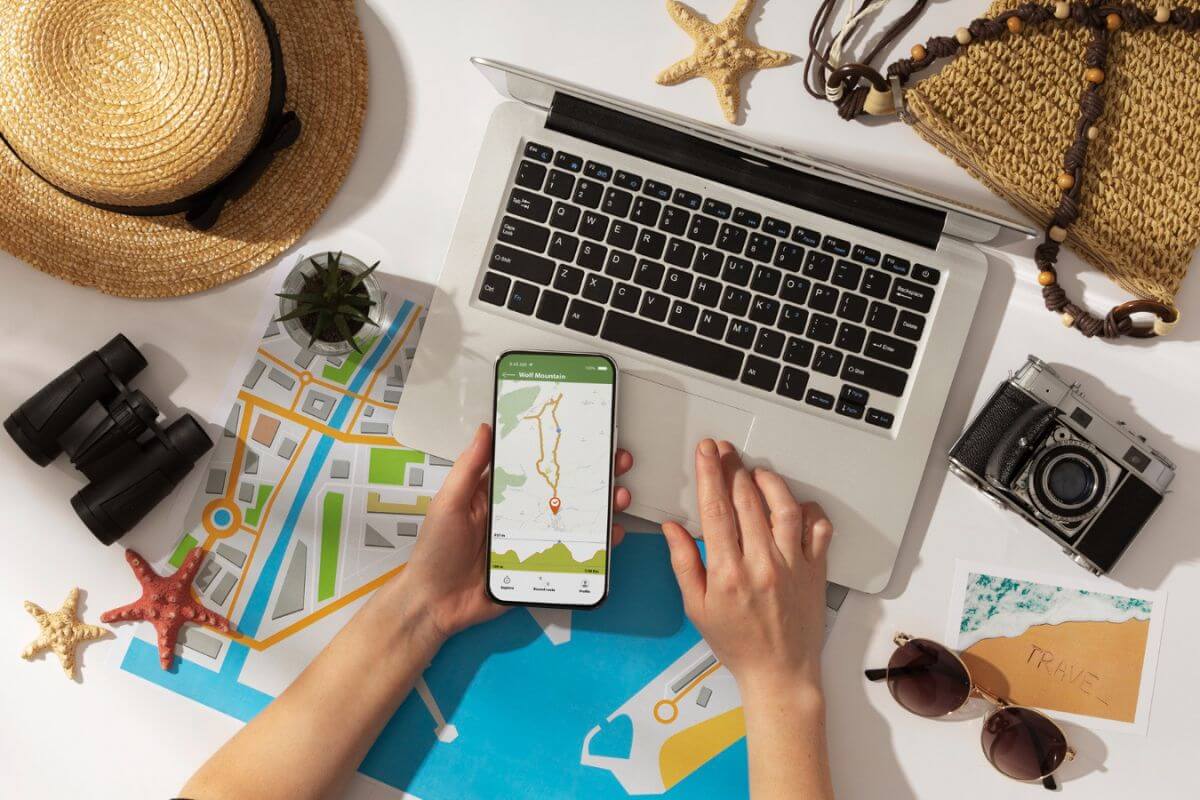
To build a truly seamless itinerary, you need a curated stack of digital tools. Whether you are a solo backpacker, a luxury seeker, or a digital nomad, these are the essential planning tools you need to master for your next adventure.
1. AI-Powered Itinerary Architects
In 2025, the “all-in-one” AI planner has become the centerpiece of travel preparation. These tools do more than just suggest destinations; they understand your “travel DNA.”
- TriPandoo and Mindtrip: These platforms represent the gold standard of 2025 AI planning. By analyzing your preferences, budget, and even your past travel reviews, they generate hyper-personalized day-by-day itineraries in seconds. If you tell the AI you love “hidden cafes but hate crowded museums,” it will curate a route that bypasses the tourist traps entirely.
- Layla (AskLAYLA): Perfect for visual planners, Layla integrates with social media inspiration. If you see a breathtaking sunset on Instagram or TikTok, you can feed that inspiration into the app, and it will build a realistic route to help you find that exact spot, complete with transportation and lodging options.
2. The Command Center: Organization and Logistics
Once you have a general plan, you need a way to keep the chaos at bay. Logistics tools act as your digital personal assistant, ensuring you never miss a flight or lose a hotel address.
- TripIt: Still the reigning champion of organization, TripIt has reached new heights in 2026. By simply syncing with your email, it “sniffs out” every confirmation—from flights to dinner reservations—and compiles them into a single master itinerary. Its real-time alerts for gate changes and baggage carousel numbers are indispensable for the frequent traveler.
- Google Travel: For those deep in the Google ecosystem, Google Travel remains a powerful free option. It seamlessly integrates your saved “Want to Go” places from Google Maps with your flight and hotel search history. Its “Price Tracking” feature is particularly robust, utilizing decades of data to tell you exactly when to hit the “buy” button.
3. Financial Navigators: Budgeting and Currency
One of the leading causes of vacation stress is the “financial fog”—the realization halfway through a trip that you have overspent. Modern budgeting tools provide real-time clarity.
- PocketGuard: This tool is favored for its “In My Pocket” feature. After accounting for your fixed travel costs (flights and hotels), it shows you exactly how much daily spending money you have left. It is an excellent way to prevent “budget creep” while you are exploring a new city.
- Wanderlog: For group travel, Wanderlog is a game-changer. It combines itinerary planning with a built-in “Splitwise” style expense tracker. You can vote on activities as a group and see a real-time breakdown of who owes what, eliminating the awkward “money talk” at the end of a group dinner.
4. Specialized Niche Tools: Road Trips and Local Gems
Sometimes, a general planner isn’t enough. Specific types of adventures require specialized data.
- Roadtrippers: If your vacation involves a steering wheel, this is your primary tool. It doesn’t just give you directions; it calculates fuel costs for your specific vehicle and highlights “off-beat” attractions along your route that standard GPS might skip.
- Sygic Travel: Known for its incredible offline maps and 360-degree destination videos, Sygic is the tool of choice for international travelers heading to areas with spotty internet connectivity. It allows you to download entire cities’ worth of data, including walking tours and opening hours, so you are never truly lost.
5. Connectivity and Translation: Breaking the Barriers
A vacation is only successful if you can actually navigate the world around you.
- MaaltalkNow: This is the ultimate 2025 “on-the-go” companion. It combines AI-powered eSIM recommendations—ensuring you have data the moment you land—with a “Smart Lens” for real-time photo translation of menus and street signs. Its built-in AI travel agent can even handle voice commands in 11 different languages.
Conclusion
The secret to a perfect vacation in 2025 isn’t just about where you go, but how you prepare. By leveraging AI-powered planners like TriPandoo for your itinerary, TripIt for your logistics, and PocketGuard for your finances, you remove the friction that traditionally plagues international travel.
These tools are not meant to replace the spontaneity of travel; rather, they are meant to provide a solid foundation so that you have the freedom to be spontaneous without the fear of getting lost or going broke. The future of travel planning is here—it is intelligent, it is integrated, and it is waiting to help you design your next great story. Grab your smartphone, download your toolkit, and let the planning begin.
